

From sun exposure to material selection, a guide for those wishing to enhance balconies, terraces, and gardens. The approach of Valtende, a Bari-based company, begins by listening to the client's needs and working with them to find the most suitable solution.
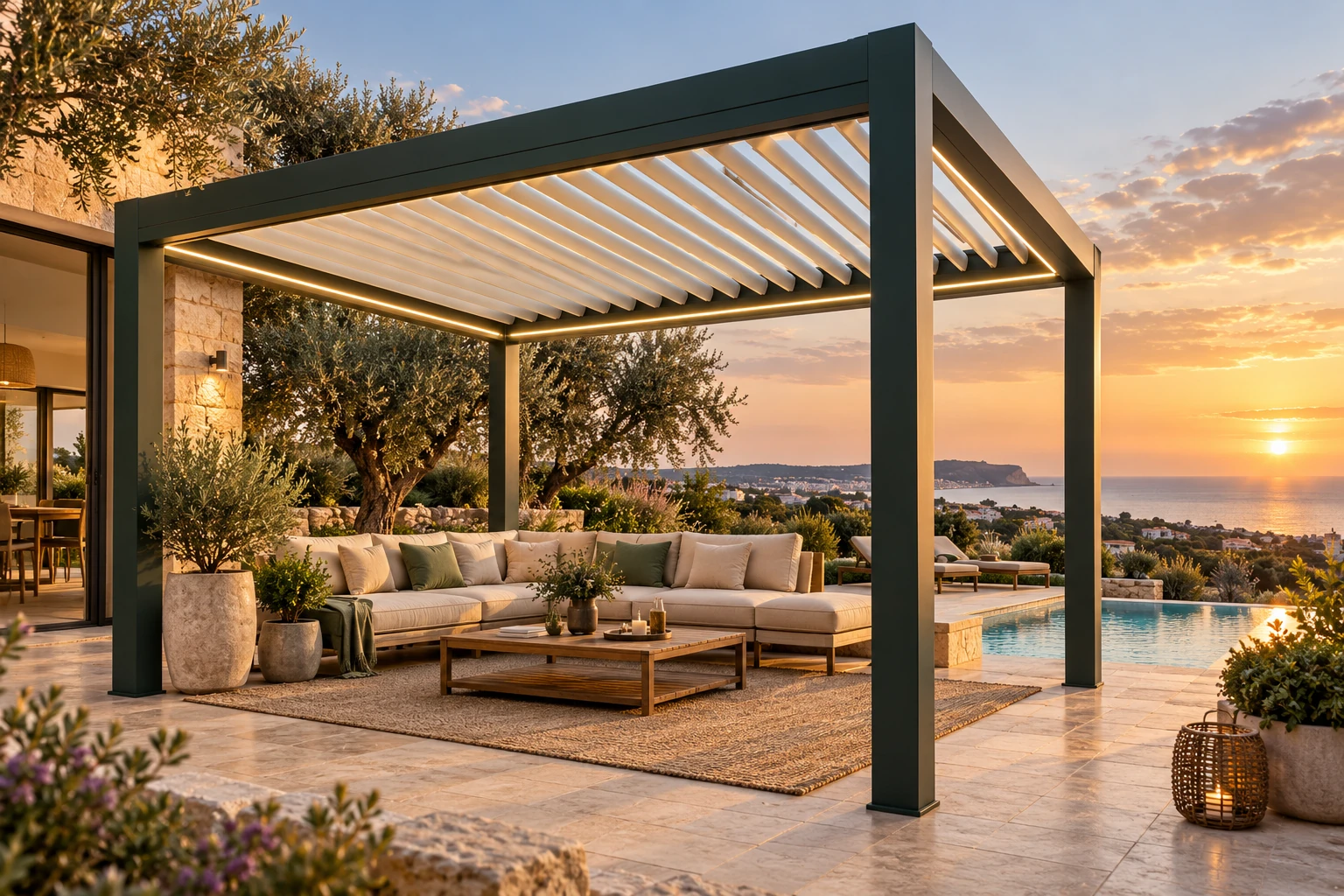
Bari, October 8, 2026 – A terrace for family lunches, a balcony for enjoying the sunniest hours, a garden for carving out a relaxing corner. Before choosing an awning or pergola, the key question isn't just the model or color. It's more about how you want to use that space.
A photograph can provide inspiration, but turning it into a design requires attention to exposure, size, materials, and installation conditions. These are the key elements of Valtende 's work , a Bari-based company that offers awnings, pergolas, panoramic windows, and custom-made screens for homes and professional environments.
Her approach focuses on dialogue with the client, guiding their choices without starting with a standard solution. This approach has led to a five-step process, useful for anyone considering renovating their outdoor spaces.
Start from habits, not from the catalogue
Topics index
The first tip is to imagine a specific day in the space you want to transform. Will it be used for breakfast, working on the computer, hosting friends for dinner, or creating a dining area? How many people will use it, and which passageways should be left free?
Defining these needs helps establish priorities. A table to be shaded during the middle of the day requires a different assessment than a reading nook or a space for guests at a business.
Before requesting a quote, it can be helpful to write down three things that aren't working currently and three results you'd like to achieve. "I'd like to use the terrace for lunch" is a more useful starting point than "I'd like a pergola like the one in the photo."
Study the sun, dimensions and installation conditions
Screening should be chosen based on where it will be installed, not just how much space it appears to cover. Orientation, width, projection, and mounting options are all factors that should be considered together.
For custom awnings , for example, it's important to identify the area to shade and check the overall dimensions both with the awning open and closed. The relationship between doors, windows, and the facade also deserves attention.
The practical advice is to photograph the space at different times of the day and indicate when the sun most limits its use. The images help with the initial comparison, while the anchor points and installation conditions require technical verification. The color choice should be made within this evaluation, not instead of it.
Understanding the differences between awnings, pergolas, and bioclimatic pergolas
Similar-looking products can meet different needs. An awning primarily serves to shield direct sunlight. Custom-made pergolas combine a support structure with a textile covering, while bioclimatic pergolas use adjustable slats to regulate light and airflow.
The choice must therefore be linked to the intended use, the desired shade management and the characteristics of the project, without automatically attributing the same performance against wind and rain to each system.
Even the possible integration of panoramic windows requires attention to compatibility, panel openings, and passages. A transparent enclosure should not automatically be considered equivalent to an insulating window.
The useful question to ask the professional is simple: What does this solution allow, and what are its limitations?
Evaluate materials also considering their use over time
Quality isn't judged solely by the color of a fabric or the finish of a structure. It's important to understand the materials' characteristics and their suitability for the installation location and intended use.
We recommend asking to see samples and documentation of the proposed system, examining the declared performance, operating instructions, and required maintenance. Wind resistance and water management, if applicable, should be assessed based on the actual product and configuration chosen.
It's also worth finding out about cleaning procedures, the possibility of replacing components, and warranty terms. Choosing wisely means knowing what you're buying and how it will be used , not relying on a generic promise of all-weather resistance.
Compare complete projects, not just prices
Two quotes may seem similar even though they refer to different supplies. To compare them, it's helpful to ask for the model, dimensions, materials, finishes, handling, accessories, and workmanship included in the installation to be specified.
It's best to immediately clarify any shipping costs, necessary preparations, estimated lead times, and support terms. A total price, without a description of the configuration, provides little guidance for making an informed choice.
Before confirming the project, it's also a good idea to have the relevant professionals verify any applicable building, landscape, or condominium regulations. Photographs and approximate measurements are helpful for starting discussions, but they don't replace the surveys and checks necessary to finalize the supply and installation.
Interview with Ivana Calò Carducci, founder of Valtende
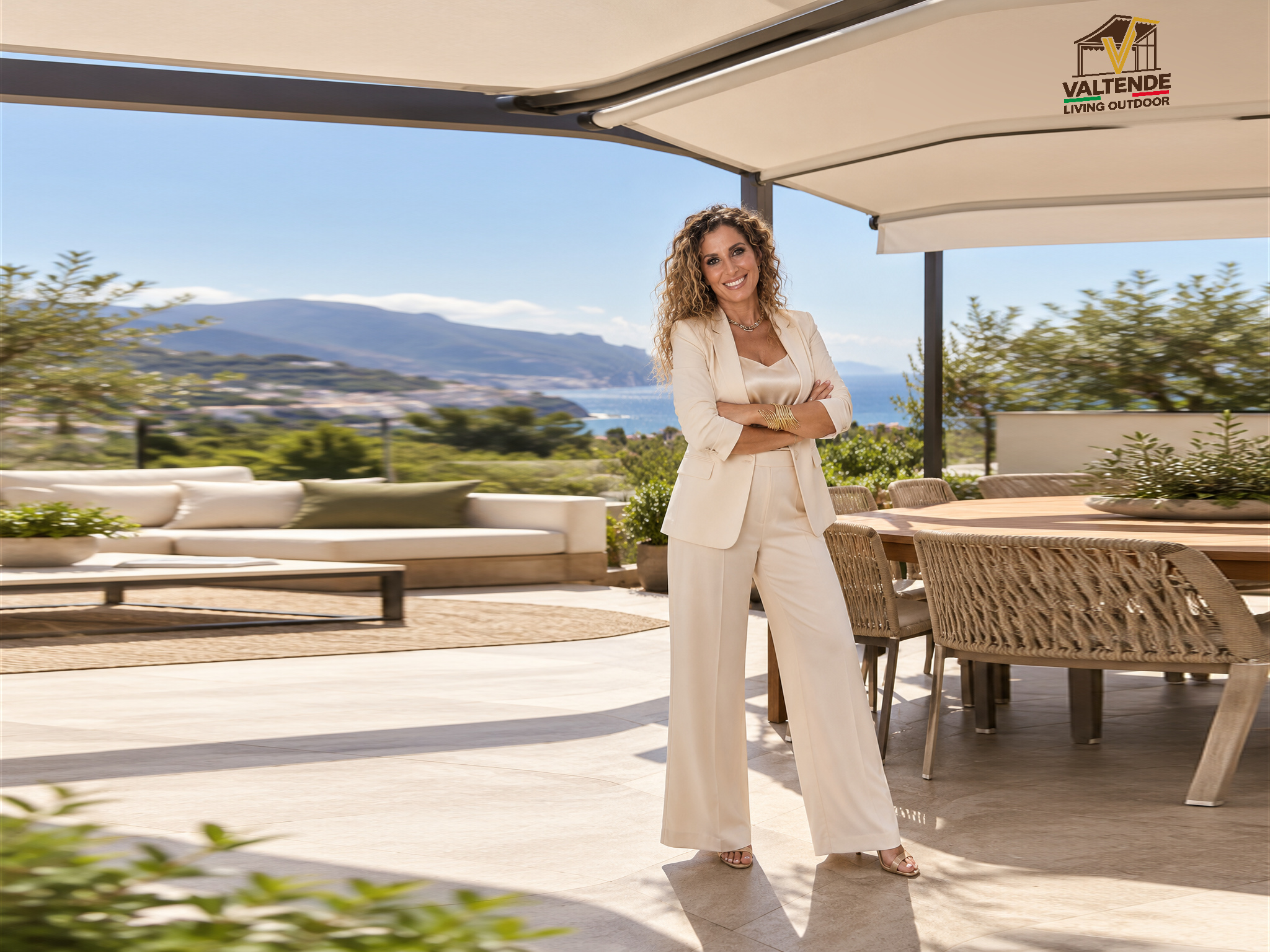
What's the first thing you try to understand when meeting a client?
How would you like to use your space, and what currently prevents you from doing so? My work is based on listening to your needs. Before suggesting an awning, a pergola, or a glass wall, I want to understand the habits, expectations, and priorities of the person I'm working with. The best solution isn't imposed; it's developed together with the client.
What role does the choice of materials play in your work?
A central role. Our goal is to select the best materials for each project, considering the exposure, use, and desired outcome. A fabric or finish must not only be beautiful. They must have characteristics suited to the context. This is why I believe it's important to explain the differences, show alternatives, and help the client understand the value of what they're choosing.
How do you reconcile quality, aesthetics, and budget?
"Starting with what's really needed. The most complex solution isn't always the best fit, and not all accessories are essential. Discussion allows us to identify priorities and find a balance between functionality, personal taste, and investment. I prefer a well-reasoned choice that the client understands and feels is theirs, rather than a proposal designed merely to impress."
What does it mean to you to work tailor-made?
It means going beyond mere measurements. Two terraces of the same size can require completely different solutions. The result I'm looking for is a space that reflects its users, is pleasant to live in, and addresses a specific need. Our work is meaningful when it helps clients better enjoy their home or better welcome people into their business.
From an idea to a solution to be evaluated together
In addition to awnings, pergolas, bioclimatic pergolas, and panoramic windows, Valtende offers technical awnings, mosquito nets, side closures, and outdoor coverings. The company considers requests from Bari and the surrounding province, as well as projects in other Apulian locations, depending on the specific needs of the project.
For an initial discussion, you can contact Valtende and present your project , including the municipality, your needs, some photographs, and approximate measurements. The operational headquarters is at Via Giuseppe Capruzzi 266 B/C, Bari, and visits are by arrangement.
The starting point remains a concrete question: not just what roofing to install, but what kind of space you finally want to start living in.


