In the hospitality world, the bed is one of the few elements that touches every guest, every night, for years. It's a choice that's not limited to style: it's a direct link to the experience, but also to day-to-day management. In a boutique hotel, where every detail must "hold its own" without becoming fragile, the bed ends up being a strategic operational choice.
When a room works, you immediately notice: order, silence, a sense of solidity, and a coherent blend of materials. The bed is often the fulcrum of that perception. Therefore, choosing a metal frame can be a decision that speaks to both design and durability, with a real impact on maintenance, repair times, and perceived quality.
Durability: the most concrete form of quality
Topics index
Quality, in a hotel, isn't an abstract concept. It's an object's ability to remain "credible" after intensive use: constant check-ins and check-outs, daily cleaning, linen changes, movements, accidental impacts. A metal structure holds up well precisely because it's designed with a structural purpose in mind: it shouldn't appear delicate, it should guarantee stability.
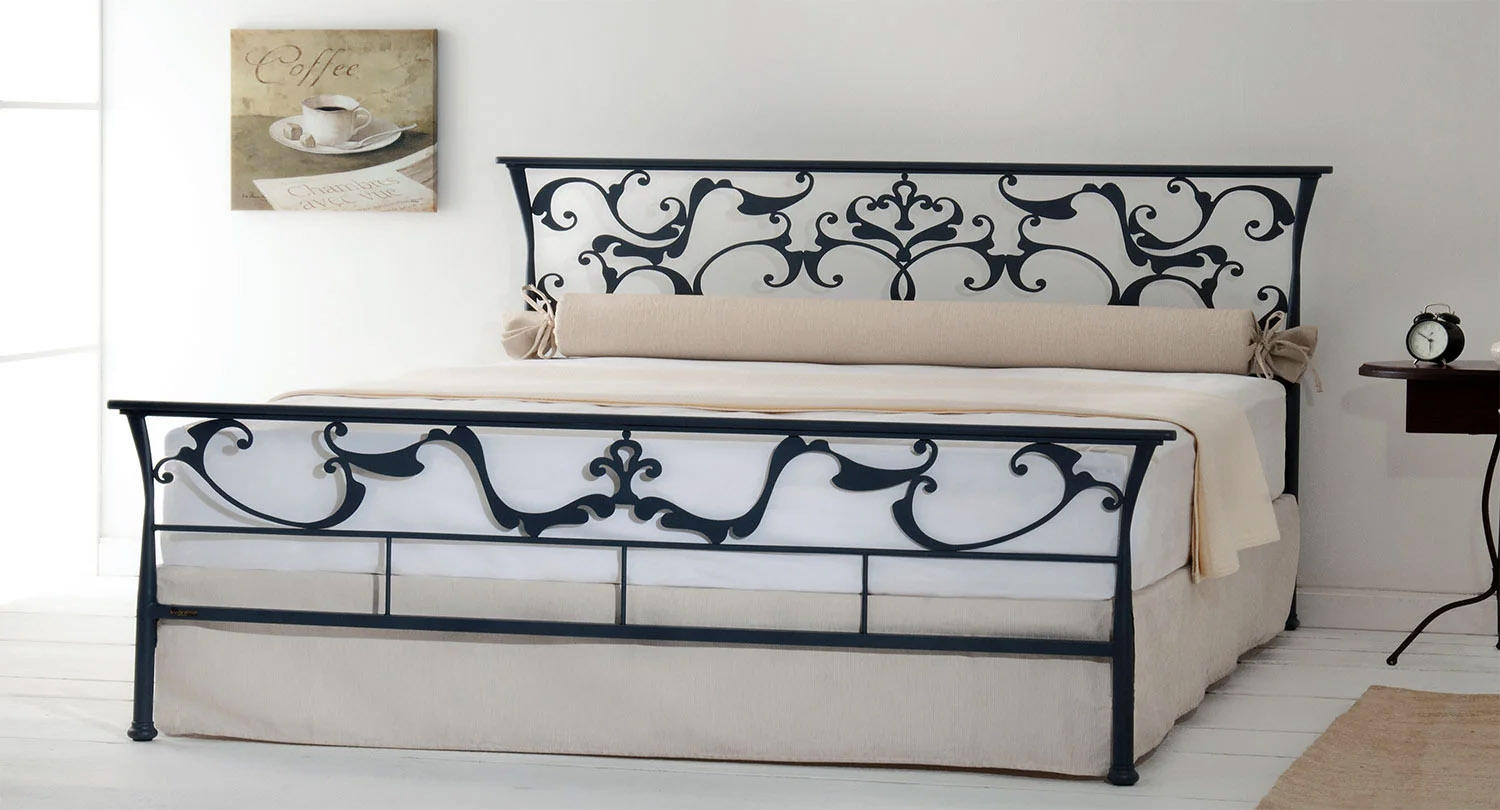
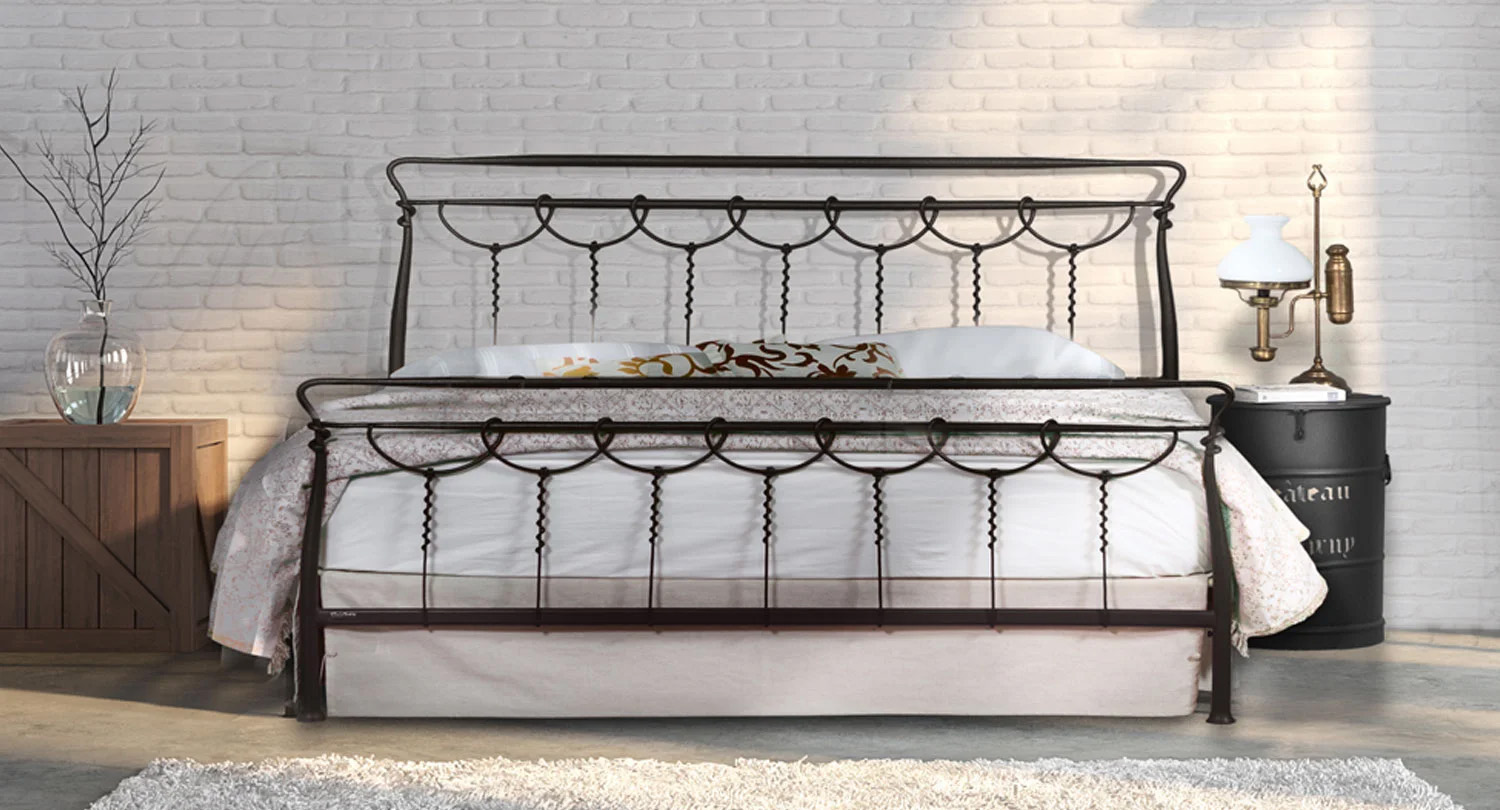
In this sense, a wrought iron bed isn't a nostalgic choice: it's a choice of material. It may have a contemporary, minimalist, or industrial aesthetic, but the logic remains the same: to endure, maintain alignment, and remain stable over time without requiring constant adjustment. The bedroom benefits because the center of the room remains "fixed" and consistent, even when everything else changes.
Minimal maintenance: where you really save money
Hotel maintenance isn't just about large-scale repairs: it's about recurring micro-problems. A loose screw, a spot that starts to move, a sudden noise. Even when the cost of a single repair is small, the overall time and impact on the housekeeping department can be significant.
Metal, if designed robustly, tends to reduce this gray area: fewer components that fail, fewer frequent adjustments, fewer small fixes that accumulate. This isn't an absolute promise—it always depends on the design and construction—but it's a logic that many operators recognize: a stable structure reduces management friction and leaves more energy for the things that really matter, like hospitality and environmental care.
Intensive use and “always ready” rooms
Boutique hotels often operate under a tight schedule: rooms must be ready within short timeframes, to a high standard. In this context, robustness isn't just "endurance": it's predictability. Knowing that a central element won't change behavior within a few months makes it easier to maintain a consistent room over time.
A well-set wrought iron bed can withstand not only the weight of use, but also the logistical stress: moves for deep cleaning, sanitization, mattress rotations, and quick accessory replacements. The point isn't to make the room "industrial," but to make operations more fluid. And when the room remains aligned and tidy, the guest's perception also improves: the room seems more refined, more stable, more thoughtful.
Silence and solidity: the "luxury" that cannot be seen
In the guest experience, the things that matter most are often invisible: the feeling of rest, the absence of disturbances, tranquility. The bed is at the center of all this, not because it promises anything, but because it's an object that can add or remove friction: a slight creak, a vibration, the slightest movement can become annoying precisely because the night amplifies every detail.
This is where structural solidity comes into play: a foundation that doesn't "work" unpredictably tends to maintain stable behavior over time. For a manager, this translates into fewer complaints and fewer last-minute rushes. For a guest, it translates into a room that conveys calm. It's an advantage that needs no slogan: it's the difference between a room that "feels" and a room that simply works.
Industrial style and identity: when metal is also language
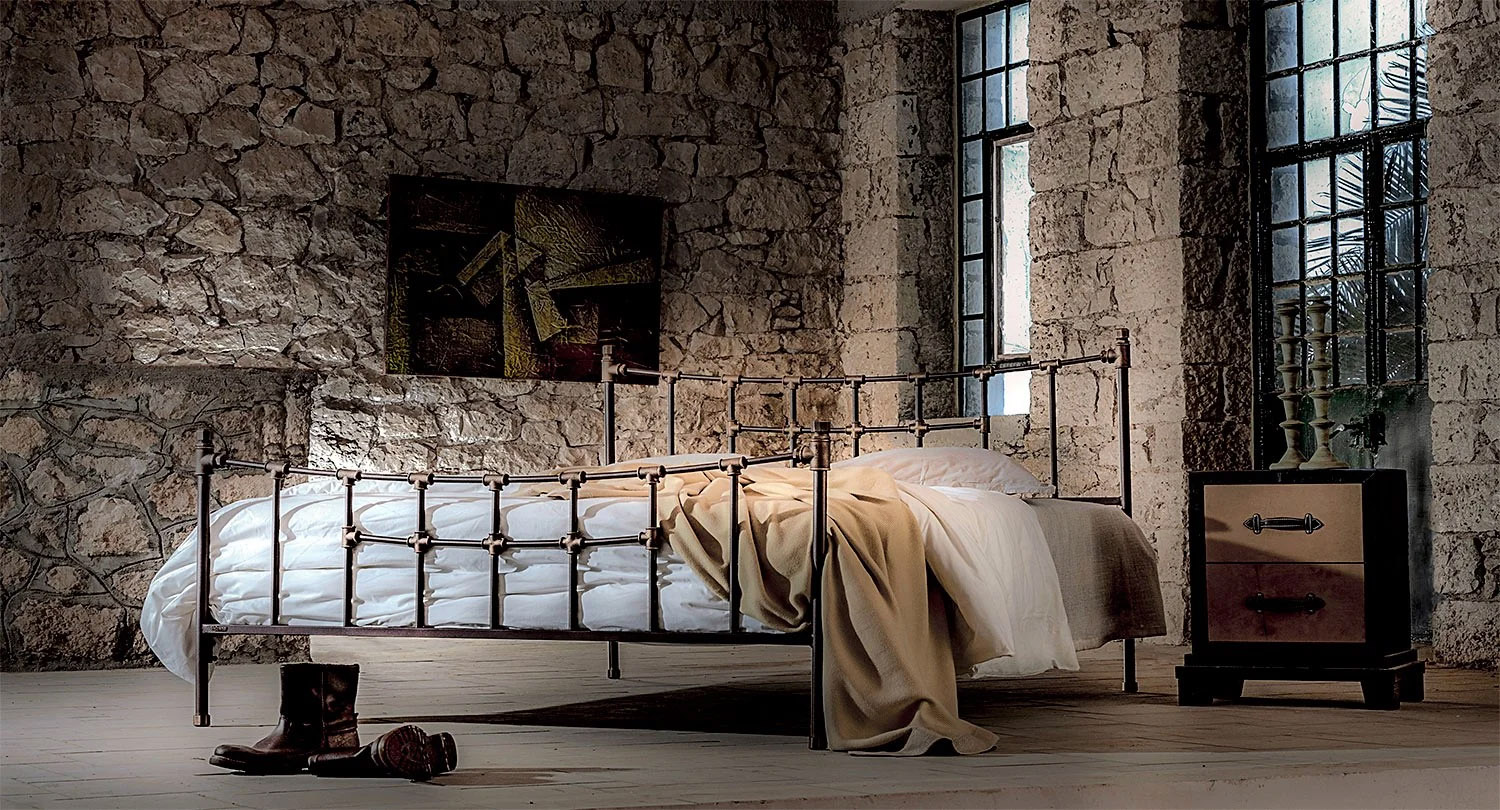
A boutique hotel isn't a unique category: it can be warm and textured, minimalist and graphic, urban and industrial. Metal is a natural fit precisely because it can be both structure and style. A thin line can be more contemporary than an upholstered volume, and can interact better with concrete, dark wood, stone, textured plaster, and warm lighting.
Furthermore, metal allows for an aesthetic consistency that resists trends: changing textiles, palettes, artwork, or lamps is relatively simple; replacing a bed is more complex. If the structure has a clean language, the room can evolve without losing its identity. And when the choice is right, the bed becomes the cornerstone on which to build seasonal updates or small restylings, without radical interventions.
Smart standardization: measurements, spare parts, management
An often overlooked aspect is standardization. In multi-bedroom properties, choosing frames that are consistent in height, size, and accessibility makes everything easier: from making the bed to moving around the room, to replacing additional components. It's not about "uniforming" the style, but rather reducing complexity and time.
The key here is clarity: repeatable measurements, easy access for cleaning, and elements that don't require special attention. A wrought iron double bed designed for hospitality can offer just that: a strong yet manageable presence. And when management becomes simpler, the team works better and the room remains more consistent, day after day.
The life cycle: total cost, not initial price
In B2B, talking about investment means talking about the life cycle. The initial price is only part of the story; the rest is made up of maintenance, replacements, downtime, unscheduled interventions, and even organizational stress. A key component like a bed, if built to last and backed by solid warranties, can reduce the likelihood of frequent replacements and make the budget more predictable over the years.
The useful question isn't "how much does it cost?", but "how much will it cost me over five or ten years, considering operation and continuity?" This is where many choose metal structures: because the total cost tends to be more legible, and the room remains more stable over time, both aesthetically and operationally.
A concrete choice for those who want rooms that last
For those considering metal solutions based on this logic—durability, simplified management, aesthetic coherence—it may be helpful to start with an overview of wrought iron beds . Within this framework lies Volcano Handmade Iron Bedrooms , a company founded in Greece and operating since 1976, with fully demagnetized frames and a lifetime guarantee that reflect a genuine focus on solidity and durability, especially in hospitality settings, where reliability and visual order truly make the difference.
For a boutique hotel, this approach translates into a presence that works silently every day: fewer corrective interventions, greater consistency in the room's performance. In 2026, with half a century of experience behind it, this experience becomes part of the project itself, offering a choice capable of maintaining identity and coherence without requiring frequent restyling.