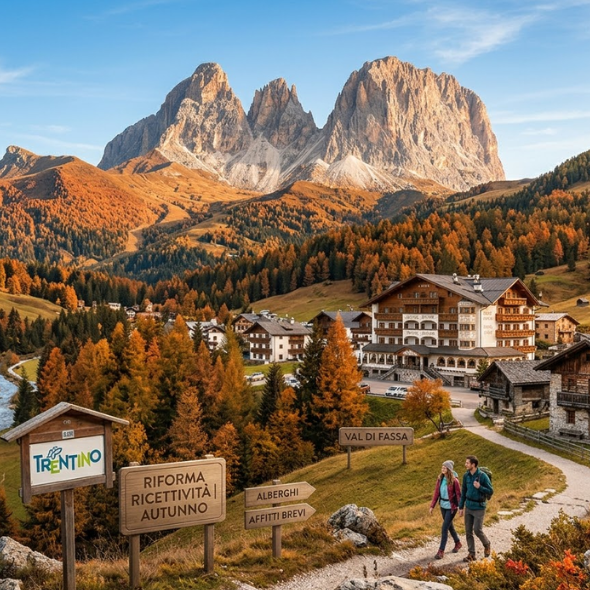
Managing tourist flows and balancing the real estate market and hospitality are at the heart of the Autonomous Province of Trento's political agenda. Tourism Councilor Roberto Failoni has announced a structural reform: the new provincial law on hospitality , which will be discussed with the municipalities in the upcoming autumn.
The stated goal is to reorganize the entire hospitality sector, introducing clear rules to prevent overtourism and harmonize the coexistence of traditional structures and new rental options.
The 3 key points of the hospitality reform in Trentino
Topics index
                  ┌──────────────────────────────────────────┐
                  │ RIFORMA TURISTICA PROVINCIA DI TRENTO     │
                  └────────────────────┬─────────────────────┘
                                       │
        ┌──────────────────────────────┼──────────────────────────────┐
        ▼                              ▼                              ▼
┌───────────────┐              ┌───────────────┐              ┌───────────────┐
│  Riordino     │              │ Controllo     │              │  Tavolo di    │
│  Settoriale   │              │ Affitti Brevi │              │  Confronto    │
└───────┬───────┘              └───────┬───────┘              └───────┬───────┘
        │                              │                              │
        ▼                              ▼                              ▼
Armonizzazione tra             Mappatura, CIN e               Coinvolgimento dei
alberghi ed extra-alberghiero. prevenzione del dry-out.        Comuni territoriali.
The legislation aims to more clearly define the boundaries between hospitality (hotels, residences) and non-hotel accommodation (B&Bs, guest houses, holiday homes). The aim is to ensure consistent quality standards and protect the investments of professional operators.
Management and monitoring of short-term rentals
The boom in private tourist rentals requires accurate analysis tools. The reform will introduce monitoring parameters to assess the concentration of apartments intended for tourist use in individual municipalities, mitigating the impact on the availability of housing for residents.
The legislative text will not be imposed from above: the Department will engage in discussions with municipal administrations. This approach will allow municipalities to apply specific criteria based on the specific characteristics of each valley or tourism area.
Comparison: current structure vs. new provincial legislation
| Scope of intervention | Current situation | Prospect of the new law |
| Tourist locations | Fragmented monitoring and uneven growth | Widespread census and integration with databases |
| Role of the Municipalities | Mainly administrative function | Active participation in flow planning |
| Market equilibrium | Pressure on the residential rental market | Safeguarding tools for residential care |
The legislative process includes presenting the text and initiating discussions with municipalities this fall, with the goal of finalizing the subsequent implementing decrees.
The law will affect the entire sector: hotels, tourist accommodations, bed & breakfasts, guesthouses, and owners of apartments used for short-term tourist rentals.
Owners will have to comply with increased transparency and traceability criteria, as well as any territorial restrictions agreed upon between the Province and individual municipalities.
For further technical details and official updates on resolutions and institutional press releases regarding the sector, you can consult the press office portal of the Autonomous Province of Trento directly.
[Subscribe to the newsletter of Direzione Hotel] Stay up-to-date on all tax and regulatory developments, discover dedicated bonuses and incentives, and receive timely updates on market trends and news affecting the entire hospitality and tourism sector, both hotel and non-hotel.